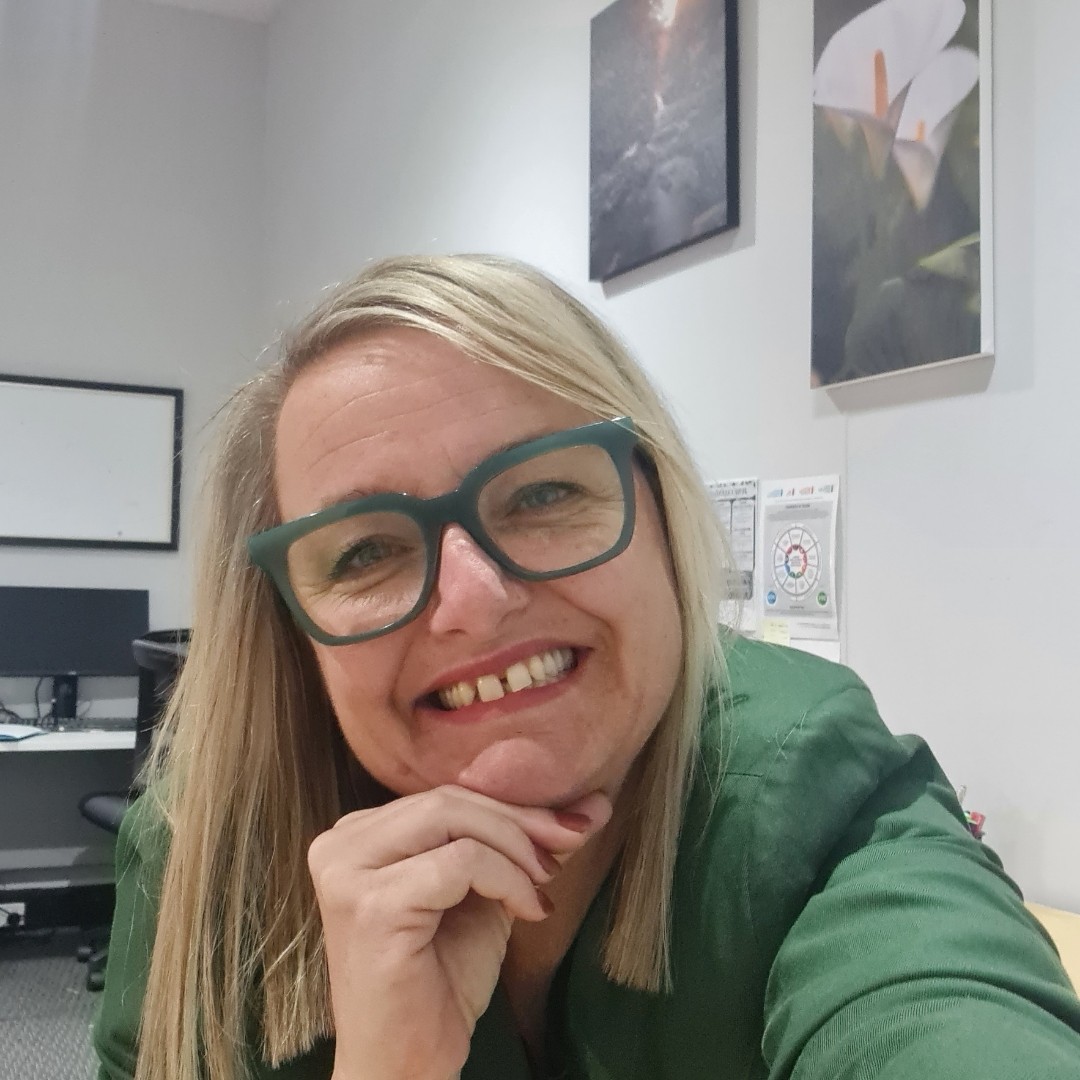
With World Suicide Prevention Day and R U OK Day falling this week, Karissa Lewis, Social Futures’ Lived Experience Practice Lead who lost her mother to suicide at age 10, is urging Australians to just ask someone for eight minutes, and to lean into available support.
Drawing on insight from leadership expert Simon Sinek, Karissa says simple miscommunications can prevent people from getting the help they need.
“When a friend told Sinek she’d had ‘a really rough week, ‘he asked why she hadn’t reached out. Her response was ‘I did’ – so he pulled out his phone, and he found a text from her saying, ‘Hey, what are you doing? Want to come over?’” Sinek said, “Is this a cry for help? It is like every other text you send me!” Karissa explained.
“So together, they created a code, where if one person really needs the other, they would ask, ‘Do you have eight minutes?’ It’s not enough time to solve a problem, but it’s enough time to let someone know they’re not facing it alone.”
Karissa says this principle applies directly to suicide prevention. “People often just need someone to hear them, or to see them, and to let them know that they matter. And in eight minutes friends can do that.”
“We also need to encourage people to be clear when they reach out, to say ‘Hey, I need you. I actually need you,’ because other people can’t read between the lines.”
Karissa’s advocacy stems from deep personal experience. Her mother’s suicide note revealed the tragic misconception that can underlie suicide: “It wrote, ‘Pete [my dad], you and the girls will be better without me’—because that’s what they honestly believe. For me, that’s never the case.”
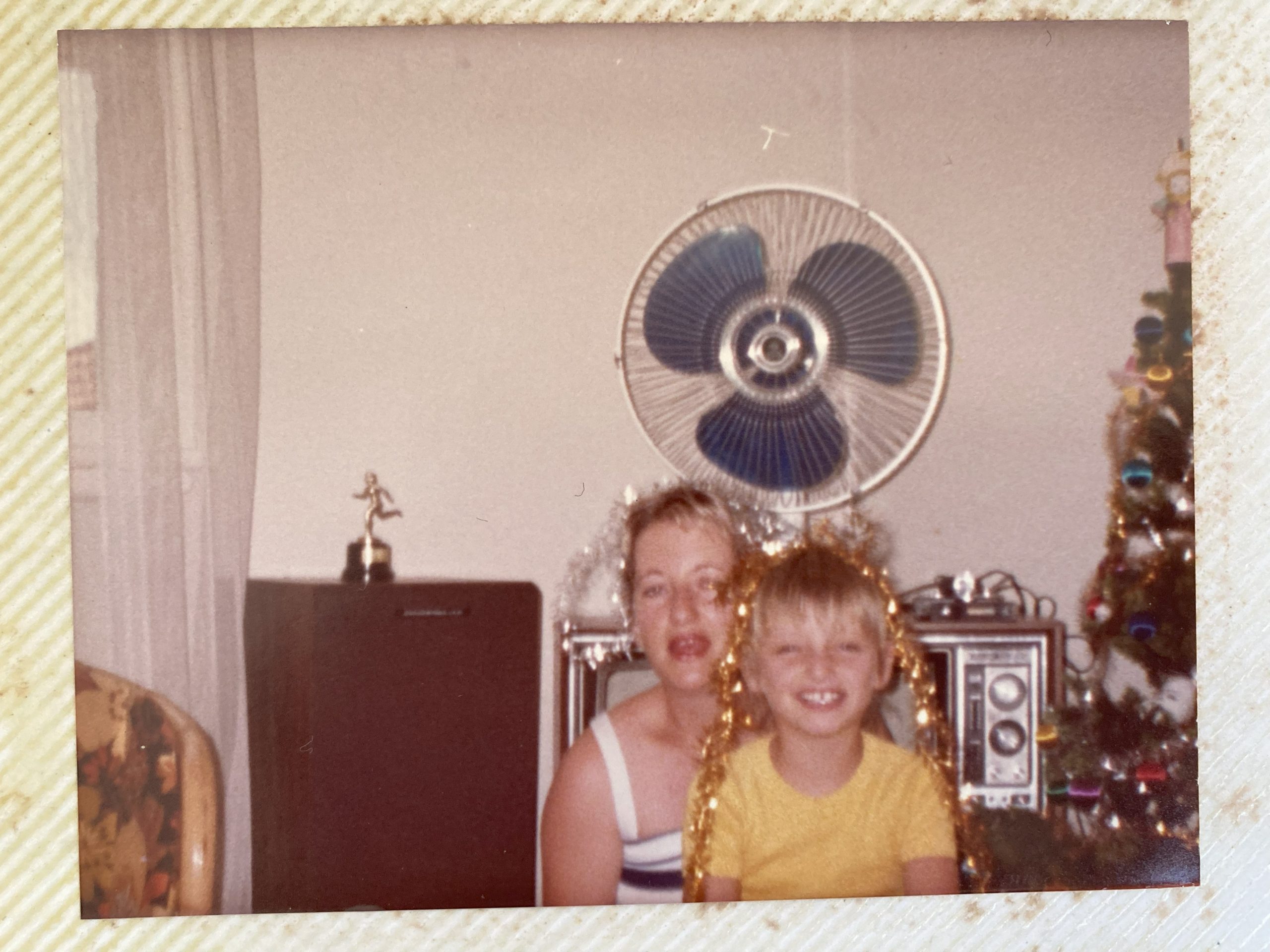
Now dedicating her professional life to embedding lived and living experience perspectives into mental health services, Karissa says peer connection has the power to heal.
“When someone hears that you’ve walked a similar path, their shoulders will drop, they will breathe slower, they will feel far less stressed sharing their story,” she says. “Connection heals in ways that transcend traditional therapeutic relationships.”
Her approach recognises the vital partnership between lived experience and clinical expertise. “I don’t believe one can do without the other. I wouldn’t be where I am today without clinicians supporting me. It’s multidisciplinary, and one size doesn’t fit all.”
While peer work offers tremendous benefits, it also presents unique challenges. Bringing lived experience to work daily requires careful safeguards and intentional support structures.
“Burnout is so big—be a peer worker or not—but especially when you’re bringing your lived and living experience to work every day,” Karissa acknowledges. “So, it’s super important that as organisations, as leaders of people with lived and living experience, that you remember we are human beings as well as human doings.”
Karissa is helping to lead the charge at Social Futures to implement comprehensive support structures based on national best practice guidelines, ensuring the wellbeing and safety of their peer work force.
“Peer Workers can be a superpower for service organisations, but care needs to be taken to do this right. It can’t be rushed. It can’t be tokenism,” Karissa said.
Karissa encourages people to utilise crisis support services. “Lean into those crisis lines. Those people are volunteers who want to be there. Most have lived or living experience themselves.”
She says it is completely fine to seek the right connection: “If you don’t connect with the first person you speak to, it’s okay to hang up and call back to connect with someone else.”
Social Futures delivers aftercare support in the Hunter and Central Coast areas for individuals who have experienced a suicidal crisis or suicide attempt. Funded by the Hunter New England Central Coast Primary Health Network, the Social Futures Care Connect Service operates Monday to Friday 9am-5pm, with after-hours support available 7am-7pm. No referral is necessary. Individuals who would like to find out more can complete the enquiry form at socialfutures.org.au/care-connect or call 1800 719 625.
Karissa’s journey features in this week’s Imperfects Podcast which can be streamed here: https://www.theimperfects.com.au/episode/karissa-lewis-i-sit-with-those-left-behind-after-suicide/
“Suicide is hard, but silence is way harder,” she concludes. “We need to lean into difficult conversations, create genuine connections, and ensure those with lived experience have voices in shaping support services.”
If you or someone you know is struggling, remember that reaching out is a sign of strength, not weakness.
Crisis support is available 24/7 through:
If you or someone you are with needs immediate support call 000.
Social Futures Care Connect offers aftercare support to people who are at risk of, or have previously attempted suicide. Contact Care Connect on 1800 719 625.
If you are bereaved or impacted by suicide you can call StandBy Support after Suicide on 1300 727 247 from 6am to 10 pm 7 days a week for support.
There are people who genuinely want to help—many of whom understand, because they’ve been where you are.