Finding and retaining passionate mental health professionals is a well-known challenge across the sector. Waitlists grow, the needs of our communities evolve, and clinics often stretch their resources to meet the demand. But an innovative approach at headspace is flipping the script on workforce shortages, creating a pipeline of fresh talent while delivering vital support to young people.
Social Futures delivers the headspace program across Tweed Heads, Ballina, and Lismore regions. Terri Connor, (who was recently awarded national headspace Clinical Educator of the Month), manages the headspace Early Career program.
We sat down with Terri to talk about the importance of nurturing early-career clinicians, and why bringing students and graduates into the clinic is a major win for the community.
The mental health sector is constantly evolving, and maintaining a stable, sustainable workforce requires forward-thinking solutions. headspace National recognised this hurdle and developed the Early Careers pathway to encourage social work, psychology, and occupational therapy students to gain real-world experience in youth mental health.
Before stepping into her current role, Terri spent seven years navigating different spaces within headspace, from Youth Access Clinician to Clinical Lead. She understands the demands of the job.
“It was getting increasingly difficult to maintain that stable, sustainable workforce with a lot of the changes in the mental health sector,” Terri explains. “headspace really recognised the value of getting a strong student program and graduate program to encourage people to gain that experience in youth mental health.”
For clinics experiencing high waitlists, this program serves a dual purpose: it builds the confidence of emerging professionals while directly increasing the clinic’s capacity to support young people. Last year, 10 graduates and students came through the Tweed and Lismore centres, adding significantly to the team’s capacity to deliver care. Two of those students have already transitioned into permanent roles with Social Futures.
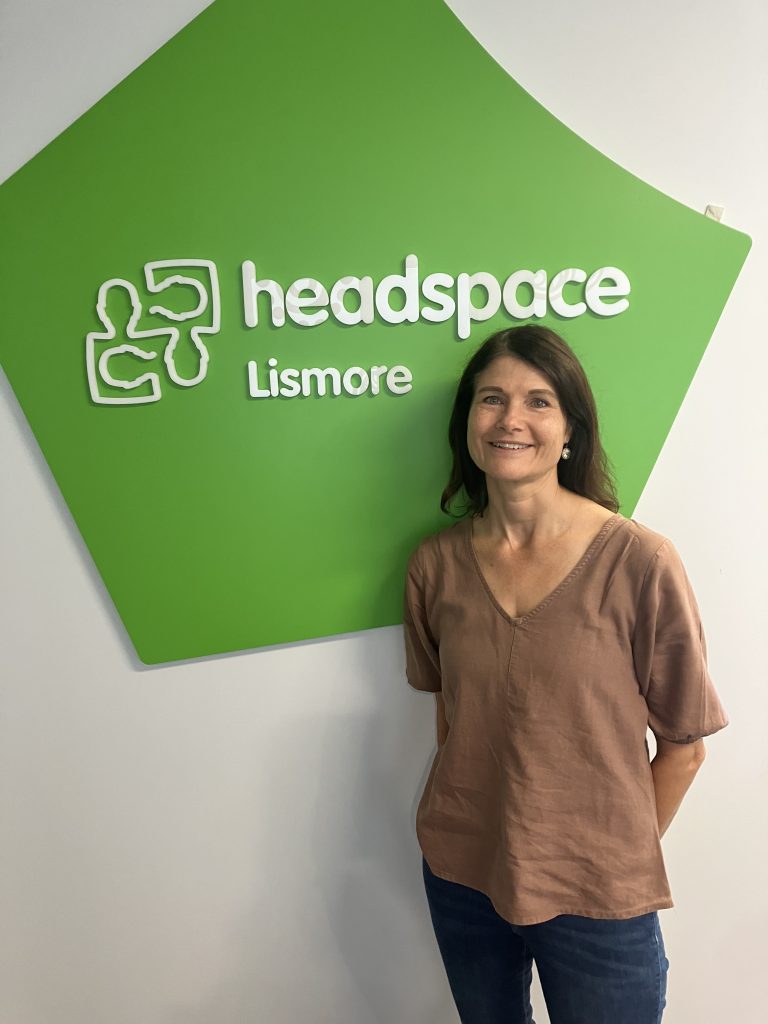
Photo: Terri Connor, headspace Clinical Educator
Taking on students in a busy clinical environment is a responsibility requiring time and a steady presence. Young people accessing headspace often present with moderate to more severe symptoms of poor mental health mental health needs, requiring careful, structured support. Previously, clinicians had to balance student supervision with their own heavy caseloads.
By funding a dedicated Clinical Educator, headspace has created a safe, structured environment for both the students and the clients. Terri’s role is highly intentional. She handles the inductions, introduces practice frameworks, teaches case noting guidelines, runs role-plays for initial assessments, and coordinates shadowing opportunities.
A registered psychologist herself, Terri can provide field and informal supervision, and coordinates sessions with other supervisors, ensuring they are working to the students University learning plan, and helping graduates get the experience that they’re wanting.
“Especially in a program like headspace where you’re really seeing some complex mental health presentations, it is important to have a dedicated role so we can invest the time and provide that real scaffolding and support for graduates.”
“Students and graduates need to feel safe to be able to ask questions, try new things, and build their skills over time.”
“I love the developmental aspects of supporting students to apply all the theory and knowledge that they gain from Uni into that practical work with young people,” Terri said.
The workforce benefits of the Early Careers program are clear, but equally positive is the impact on the clinic’s work culture, as well as for its young clients.
Students and graduates straight out of university bring a unique dynamic to the team, they are eager and armed with the latest academic learnings.
“There’s a wonderful energy that students bring to the team itself and a real learning and sharing of resources and new ideas,” Terri says. “It really energises our team, and this flows onto our young clients as well, in terms of just having new ideas around interventions that might work, or different ways of working with our young people.”
Hear from Jane Higgins, an early career student: Jane Higgins Speaks about headspace.mov
The Early Careers program offers 600-hour placements which Terri says enables graduates, who are just starting out on their journey, a good amount of time to try the career on for size.
“Students who may have been unsure get the chance to really see if a career in youth mental health is for them,” says Terri. “Many are discovering a real passion for the work and it’s leading them to actively pursue ongoing roles within the sector which is wonderful.”
“Some of our social work students are here for four or five months. So, they’re supporting quite a few young people in the time that they’re here.
“The headspace Early Careers Program is an opportunity to learn, grow, and bring your unique energy to a space that truly values it.”
To learn more about the services offered by Social Futures and the incredible work happening at headspace Tweed Heads, Ballina, and Lismore, visit socialfutures.org.au/headspace/ or contact one of our team members [email protected] or 1800 719 625.
headspace Lismore, headspace Ballina and headspace Tweed Heads are funded by Healthy North Coast through the North Coast PHN Program