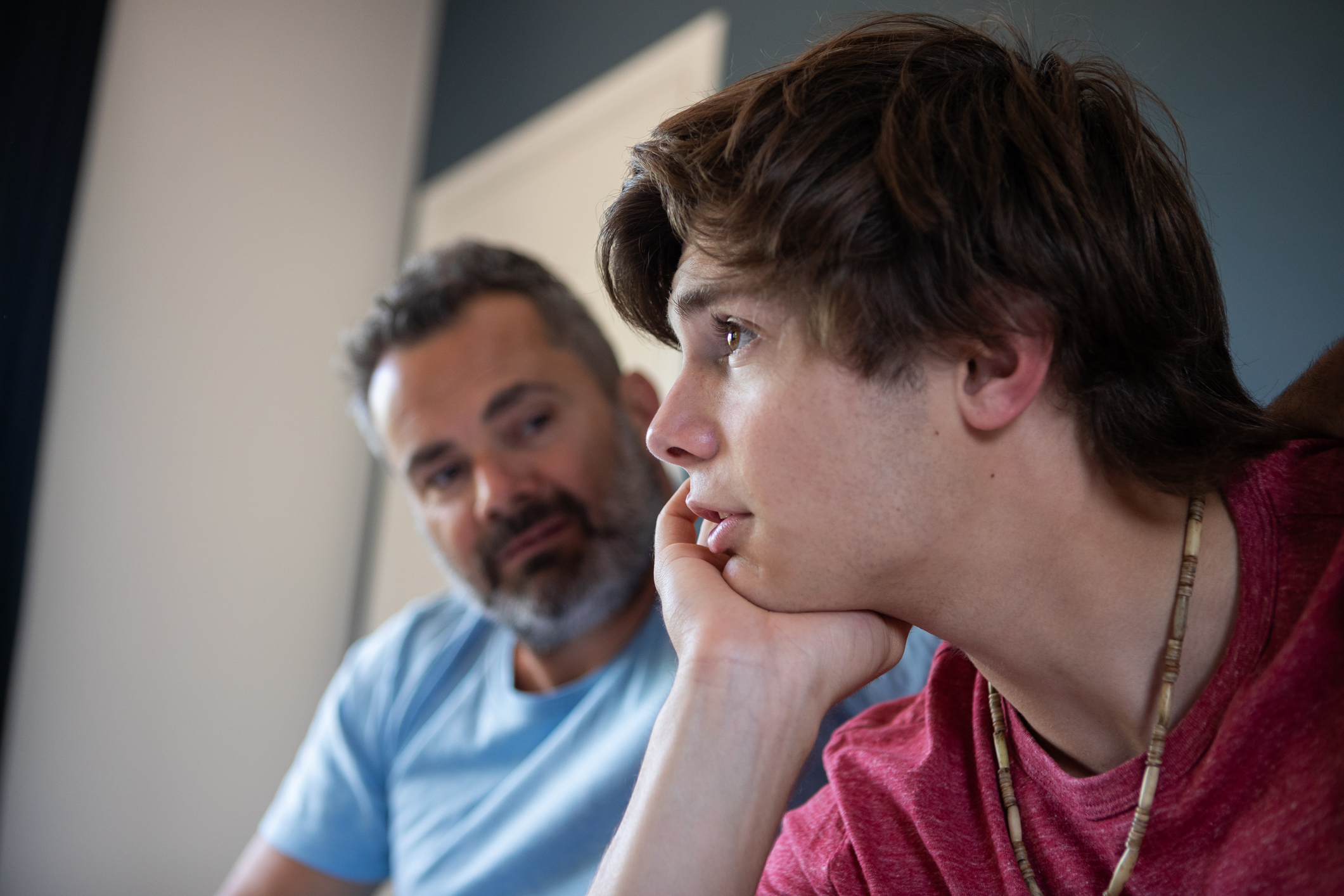
Social Futures’ Pillars of Support program provides free counselling for people supporting loved ones experiencing substance use challenges, or who are impacted by other people’s substance misuse. Based in the Hunter region, the service helps individuals develop coping strategies, build confidence, and enhance wellbeing.
When someone you love is struggling with substance use, the impact rarely falls on one person alone. Partners, parents, siblings, and close friends are often managing worry, uncertainty and responsibility while trying to juggle everyday life.
It is common for this to continue for a long time before any professional help is sought. In fact, Australian research shows that eight years is the median length of time people experiencing substance use disorders will wait before first accessing treatment or support. That delay can have a ripple effect, placing prolonged emotional and practical pressure on the people who care about them.
The Pillars of Support program at Social Futures, funded by NSW Ministry of Health, recognises those loved ones and provides a free counselling service for those who support people struggling with alcohol or other drugs, or who are impacted by other people’s substance misuse.
Based in the Hunter region of NSW, Family Inclusive Counsellor, *Sarah, shared that people often reach out for support when they become aware that someone is having a problem with substance use, but they don’t know what to do.
“One key element is in learning how to support someone experiencing challenges with alcohol or other drugs, without trying to force change,” said Sarah.
“We help people see from a different perspective, without judgement or stigma, to understand what’s going on for that person, so they can learn how to provide support within the relationship.
Help often starts with having a space to talk openly, to make sense of what is happening, and to understand what support options exist, both for their loved one and for themselves.
“When people first come to me, they are often in survival mode, they are feeling quite tense, and very much in a state of ‘fight, flight or freeze.’
“When things feel out of our control, like someone else’s substance use, it can really affect our confidence and self-worth until we can learn how to work on what’s happening within, and let go of those things we can’t control, which can be really hard if you’re trying to do that alone.
“With counselling, I see a definite decrease in anxiety, depression and stress symptoms , and significant improvements in relationships as people grow to understand substance use , and implement self-care and boundaries, while working together in a shared understanding of each other’s strengths and weaknesses.”
Support is not about “fixing” someone else, it is about strengthening people who are already doing their best in difficult circumstances.
Seeking help early can make a real difference, both for the person experiencing substance use challenges, and for the support network around them.
Whether you are just starting to ask questions or have been supporting someone for many years, reaching out can be the first step toward feeling more confident, more connected, and better supported.
The Pillars of Support program services Maitland, Cessnock, Kurri Kurri, Singleton, Muswellbrook, and surrounds. Referrals are not necessary, for support call 1800 319 801, email [email protected] or drop by at 2/16 Cambridge Street, Singleton NSW.
*Name has been changed to protect privacy.